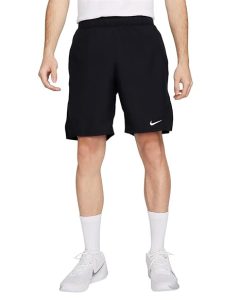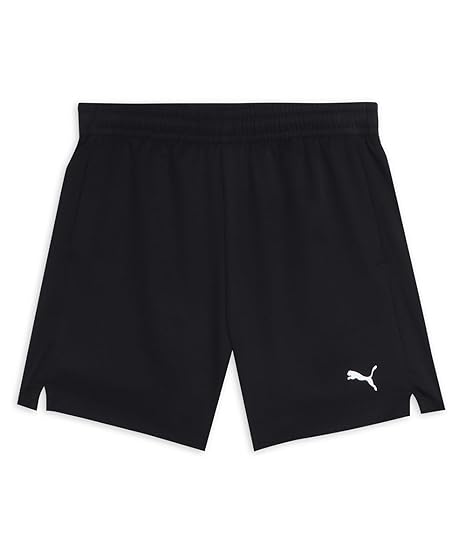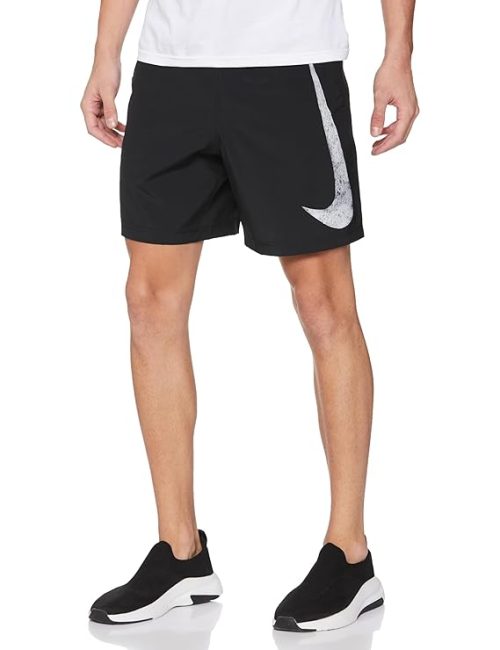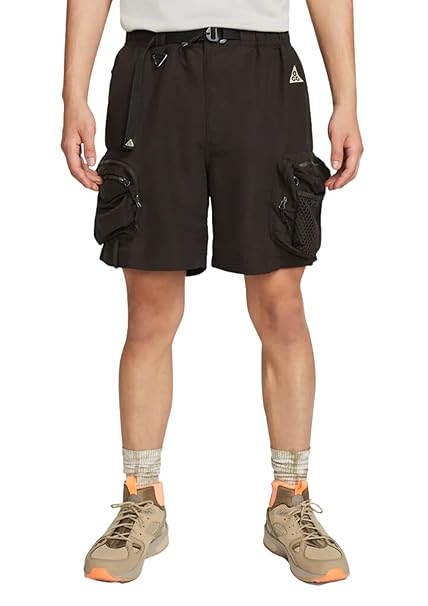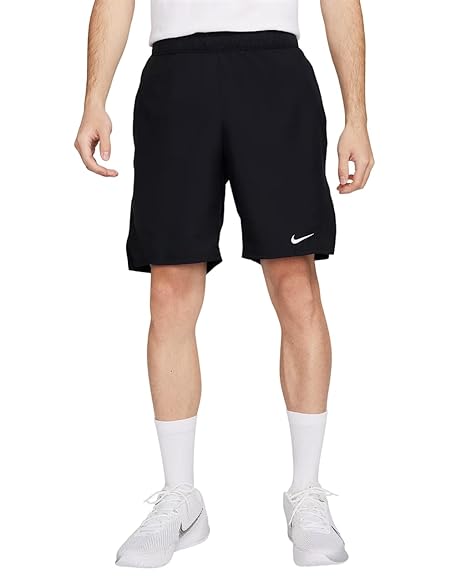
Nike Men’s Shorts

Original price was: ₹2,495.00.Current price is: ₹1,796.00.

Designed for comfortable wear for sports and street style, NIKE is always fun to wear. Upgrade in style with a wide range from the world’s leading and much- loved sports brand, NIKE

Category:

Description

nike tempo shorts

nike tempo shorts

Product details

Material composition
Material: Polyster
Style
Shorts
Length
Above Knee
Fit type
Regular Fit
Material type
Polyester
Care instructions
Machine Wash
Country of Origin
Vietnam

nike tempo shorts

About this item

  • Polyster
  • Introduction: Hook the reader by describing the universal experience of a runner seeking the perfect pair of shorts, then introduce the nike tempo shorts as a potential solution.

  • Section 1: A Legacy of Performance and Sustainability: Detail the history and ethos behind the nike tempo shorts, focusing on Nike’s Move to Zero initiative and how the shorts are made from recycled materials .

  • Section 2: Unpacking the Technology: Break down the core technologies that define the nike tempo shorts, including Dri-FIT moisture-wicking, mesh paneling for ventilation, and the brief liner with its soft seams .

  • Section 3: Design and Functional Features: Describe the design elements, such as the standard fit, elastic waistband with drawcord, reflective Swoosh logos, and practical storage options like drop-in pockets .

  • Section 4: The Tempo Family – A Model for Every Runner: Explore the different variations within the nike tempo shorts line, such as the Tempo Race model and Plus Size options, highlighting their unique features .

  • Section 5: How to Care for Your Tempo Shorts: Provide a comprehensive guide to washing, drying, and maintaining the nike tempo shorts to ensure longevity and performance, based on Nike’s official care instructions .

  • Section 6: The Runner’s Verdict: Synthesize the value proposition of the nike tempo shorts, discussing who they are best for (e.g., daily trainers, environmentally conscious athletes) and their overall value for money.

  • Conclusion: Summarize the key points, reaffirming why the nike tempo shorts have earned their place as a staple in running culture.

 Expanded Article Section

To illustrate how the outline can be fleshed out, here is a developed version of the first two sections.

Title: The Nike Tempo Shorts: A Deep Dive into the Runner’s Favorite

Introduction

Every runner knows the quest for the perfect short is as ongoing as the pursuit of a new personal best. It’s a search for that elusive blend of comfort, performance, and durability that can make the miles fly by. In this pursuit, one name consistently emerges from the pack:

the nike tempo shorts. A staple on tracks and trails worldwide, the nike tempo shorts have built a reputation for reliable performance. But what is it about this particular pair of shorts that has cemented its status in running culture? This definitive guide will explore every seam, fiber, and feature of the nike tempo shorts, examining how they are designed to enhance your run from start to finish.

We will delve into the sustainable heart of the nike tempo shorts, the technology that powers them, and the care that preserves them, providing a complete picture of why these shorts are a top choice for athletes everywhere.

Section 1: A Legacy of Performance and Sustainability

The nike tempo shorts are more than just athletic apparel; they are a product of Nike’s forward-thinking commitment to environmental responsibility, known as their “Move to Zero” journey. This initiative represents a commitment to both zero carbon and zero waste, and

the nike tempo shorts are a direct embodiment of this mission. A key feature of most models is that they are constructed with a significant amount of recycled materials. As detailed on Nike’s official product pages, many versions of the nike tempo shorts are “made with at least 75% recycled polyester fibers” .

The process behind this is both innovative and impactful. The recycled polyester used in the nike tempo shorts begins its life not in a textile factory, but as discarded plastic bottles. These bottles are collected, cleaned, and shredded into small flakes before being converted into pellets.

These pellets are then spun into a new, high-performance yarn that is woven into the very fabric of the nike tempo shorts . This process does more than just give waste a new purpose; it actively reduces the environmental footprint of the product. By choosing recycled polyester,

Nike states that the nike tempo shorts contribute to a reduction in carbon emissions by up to 30% compared to shorts made from virgin polyester . This means that with every pair of nike tempo shorts purchased, runners are not only investing in their own performance but also participating in a larger effort to divert plastic from landfills and waterways, with

Nike claiming to divert an average of one billion plastic bottles annually . This fusion of ecological awareness and athletic performance is a core part of the identity of the nike tempo shorts.

Section 2: Unpacking the Technology

At the core of the nike tempo shorts‘ performance is a suite of Nike’s engineered technologies designed to work in harmony with the athlete’s body. The most crucial of these is Nike’s proprietary Dri-FIT technology.

This is not merely a marketing term but a sophisticated fabric system engineered to manage moisture. The fabric of the nike tempo shorts is designed to pull sweat away from the skin to the outer surface of the material, where it can evaporate more quickly .

This process is crucial for maintaining comfort and dryness, helping to prevent the heavy, sodden feeling that can weigh a runner down. The result is that whether you’re on a long, humid run or a short, high-intensity sprint, the nike tempo shorts work actively to keep you dry and comfortable.

Furthermore, the nike tempo shorts are intelligently designed with strategic ventilation to combat overheating. Many models feature mesh panels, often located on the sides or across the upper back .

These mesh insets are not an afterthought; they are integrated into the design to maximize airflow to key areas of the body. This allows heat to escape and cool air to circulate, providing a regulating effect that helps you stay cool even when you’re pushing your limits.

Another signature feature of many nike tempo shorts is the integrated brief liner. This inner layer is designed for function, made from a soft, lightweight fabric that provides light support and coverage

. Recognizing that chafing is a runner’s nemesis, the nike tempo shorts often feature soft seams on this brief liner, a small but critical detail that helps reduce skin irritation over long distances . This combination of moisture-wicking, breathability, and chafe-resistant design makes the nike tempo shorts a technically advanced piece of running gear.
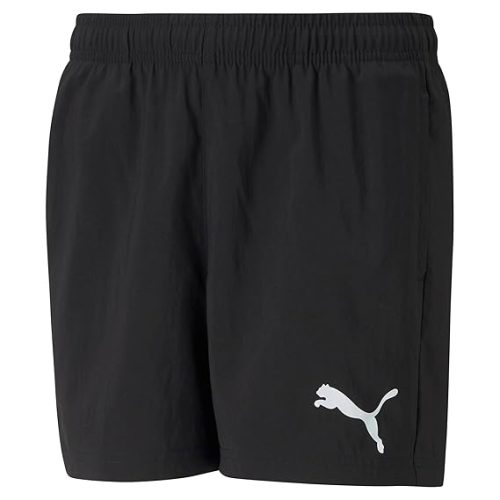
The Ultimate Guide to a Runner’s Essential: Unpacking the Modern Performance Short

In the world of running, where every second and every sensation counts, the choice of apparel is far from trivial. It is a critical decision that can define the quality of a training session, the success of a race, and the overall comfort of an athlete. Among the myriad of options available to today’s runner, one category of garment has consistently risen to the top for its blend of simplicity, performance, and accessibility: the standard performance running short.

This deep dive explores every facet of this essential piece of gear, from the molecular structure of its fabric to its place in the global supply chain, aiming to provide a definitive resource for athletes of all levels.

Part 1: The Foundation – Material Science and Composition

At the heart of any high-performance athletic garment lies its material composition. The modern running short is a testament to advancements in textile engineering, primarily leveraging synthetic polymers to achieve feats that natural fibers cannot. The most common material found in these garments is polyester.

Polyester, a type of polymer derived from petroleum, is the undisputed champion in this arena. Its molecular structure is inherently hydrophobic, meaning it repels water. This property is the cornerstone of its functionality. However, in its pure form, traditional polyester could be uncomfortable,

often described as “plastic-like” and prone to trapping odor. The breakthrough came with the development of microfiber technology and specialized treatments.

The polyester used in high-quality running apparel is engineered as a fine, lightweight microfiber. This creation of ultra-fine threads significantly increases the surface area of the fabric. When woven into a specific texture, this microfiber polyester creates a capillary action that pulls moisture—

in this case, sweat—from the skin and spreads it across a large surface area on the outside of the fabric, where it can evaporate rapidly. This process, known as wicking, is the fundamental principle behind keeping an athlete dry and comfortable. The garment doesn’t absorb the moisture; it transports it away from the body, facilitating the body’s natural cooling system through evaporation.

Furthermore, the evolution of sustainability has deeply influenced material sourcing. A significant number of these performance garments are now constructed from recycled polyester. This innovative approach involves processing post-consumer plastic waste, such as PET bottles, into fine chips,

which are then melted and respun into new polyester yarn. This closed-loop process not only diverts plastic from landfills and oceans but also reduces the carbon footprint associated with producing virgin polyester, making the final product a choice for the environmentally conscious athlete. The tag “made from recycled materials” is now a common and commendable feature on the labels of leading athletic brands.

Part 2: Anatomy of a Design – Fit, Style, and Functional Aesthetics

The design philosophy of a performance short is a masterclass in ergonomics and purposeful aesthetics. The “Style” is unequivocally “Shorts,” but this simple classification belies a world of nuanced design choices tailored to the dynamic movements of a runner.

First, we have the “Length,” which is consistently “Above Knee.” This is a non-negotiable feature for several reasons. A shorter length provides maximum freedom of movement for the hip flexors and quadriceps, preventing the fabric from bunching up or creating resistance at the knee during a high-knee lift.

It also offers superior ventilation, allowing for greater air circulation around the large muscle groups of the upper leg, which generate significant heat during exertion. This design prevents the garment from feeling restrictive or heavy, contributing to a sensation of lightness and agility.

Next is the “Fit Type,” described as “Regular Fit.” This terminology indicates a cut that is designed to follow the natural lines of the body without being excessively tight or overly loose. It is a balanced, classic silhouette that offers comfort without compromising on performance.

A “Regular Fit” ensures the garment moves with the athlete, not against them. It accommodates a range of body types while maintaining its technical function. This is often achieved through strategic patterning and the inherent stretch of the modern polyester blend, which allows the short to expand and contract with the athlete’s stride.

The waistband is a critical component of this fit, typically featuring a soft, elasticated construction with an integrated drawcord. This allows the wearer to customize the security of the fit precisely, ensuring the garment stays in place whether on a leisurely jog or an all-out sprint.

The “Material Type” is, as established, “Polyester.” However, this single term often encompasses a blend of fabric constructions within a single garment. The main body might be a sleek, lightweight polyester jersey, while side panels or the entire back could be a polyester mesh.

This mesh is a grid-like fabric that offers exceptional breathability, acting as ventilation zones to release heat and moisture vapor. Many models also include an internal brief liner, which is typically made from a soft, moisture-wicking polyester blend.

This liner provides light support and modesty, eliminating the need for separate underwear and reducing the number of fabric layers and potential seam points that could cause chafing.

Part 3: The Lifecycle – Care, Maintenance, and Origin

The performance and longevity of any garment are inextricably linked to how it is cared for. The “Care Instructions” for these items are deliberately straightforward: “Machine Wash.” This simplicity is a feature in itself, designed for the busy athlete. However, adhering to best practices can significantly extend the life and functionality of the garment.

A cold or lukewarm water wash is always recommended. High temperatures can break down the delicate microfibers of the polyester, degrading its moisture-wicking properties and can cause the fabric to pill. It can also set in stains, particularly from bodily sweat, making them permanent. Similarly,

the use of harsh chemicals like chlorine bleach should be avoided as they can damage the synthetic fibers and break down any elastane present in the blend, reducing the garment’s stretch.

When it comes to drying, air-drying is the gentlest and most recommended method. Laying the garment flat or hanging it to dry preserves the integrity of the fibers and the elasticity of the waistband. If using a dryer, a low-heat or air-fluff setting is essential. High heat is the enemy of technical fabrics;

it can melt or warp the fibers, weaken seams, and cause shrinkage, permanently altering the perfect “Regular Fit.”

The “Country of Origin” for a vast array of today’s apparel is a testament to globalization. A label that reads “Vietnam” indicates participation in a complex and sophisticated international supply chain. Vietnam has emerged as a global hub for textile and garment manufacturing, renowned for its skilled workforce, quality control standards, and efficient production capabilities.

The journey of a single pair of shorts involves raw material sourcing, yarn spinning, fabric knitting, dyeing, cutting, sewing, and finishing, often across multiple specialized facilities. Understanding its origin provides a glimpse into the interconnected nature of the modern economy and the high level of craftsmanship involved in producing what might seem like a simple item of clothing.

Part 4: The Holistic Value Proposition

When all these elements—the advanced “Polyester” material, the ergonomic “Above Knee” “Regular Fit,” the straightforward “Machine Wash” care, and the global manufacturing journey—converge, they create a product with a powerful value proposition.

This type of garment is designed for the everyday athlete. It is for the person who demands performance without pretension, quality without exorbitant cost, and convenience without sacrificing functionality. It is a versatile workhorse, suitable for a wide range of activities beyond running, including gym workouts, high-intensity interval training, recreational sports, or simply as comfortable leisurewear.

Its durability, ensured by proper care, means it can withstand the rigors of frequent use and washing, providing excellent value over time. The focus on sustainable materials also allows the wearer to make a choice that aligns with a broader environmental ethic, adding a layer of value that transcends mere utility.

In conclusion, this exploration reveals that the modern performance short is a deceptively simple item. It is the result of decades of textile innovation, thoughtful design centered on human movement, and a global production system capable of delivering quality at scale.

It respects the athlete’s body by providing comfort and freedom, respects their time with easy maintenance, and, increasingly, respects the planet through the use of recycled materials. It is not merely an item of clothing; it is a tool engineered to support and enhance the fundamental human joy of movement.

Reviews

There are no reviews yet.

Be the first to review “Nike Men’s Shorts”

Your email address will not be published. Required fields are marked *

Go to Top