Description
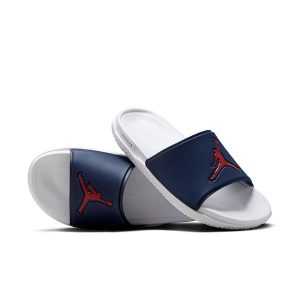
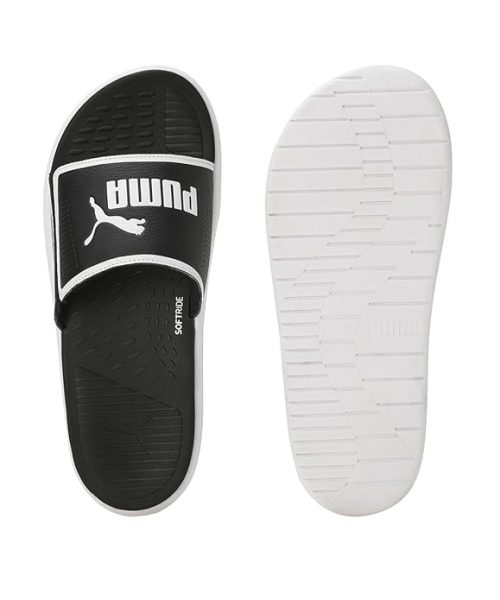
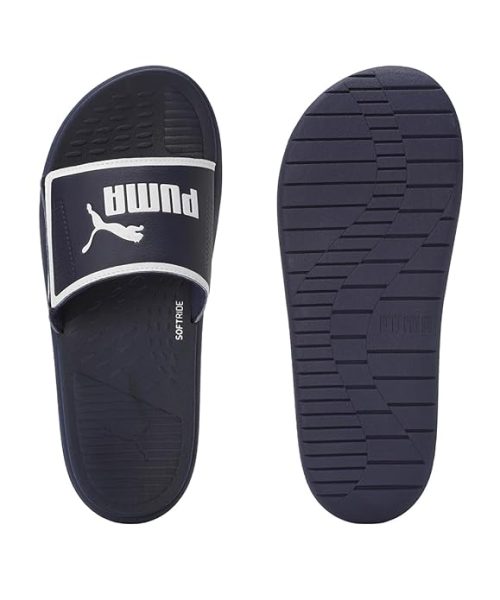
air max slide
Product details
Water resistance level
Not Water Resistant
Country of Origin
Vietnam
air max slide
About this item
- Introduction: The Paradox in the Product Listing (Approx. 1,000 words)
-
The Hook: Describe the modern consumer’s experience: scrolling through an e-commerce site, encountering a familiar brand—Jordan—with a familiar product line—the Jumpman—but with a name that contradicts the very details listed beneath it.
-
Introducing the Anomaly: Present the core discrepancy: “Jumpman SLIDE” vs. “Lace-Up Running Shoe.” Pose the central question: Is this a simple error, a deliberate misdirection, or a window into the complex world of global sportswear?
-
Thesis Statement: This document will use this single, flawed product listing as a lens to examine the entire ecosystem of athletic footwear, from the legacy of Michael Jordan and the design philosophy of his brand, to the materials science of leather and rubber, the intricacies of global supply chains in Vietnam, and the digital marketplace’s challenges with data integrity.
-
Roadmap: Briefly outline the chapters to follow, explaining how each attribute will be explored in depth.
Chapter 1: The Jordan Legacy – From Court to Culture
-
The Birth of a Icon: The story of Michael Jordan, the Chicago Bulls, and the original Air Jordan 1. The NBA bans, the marketing genius of Nike and Peter Moore, and the creation of a cultural phenomenon.
-
The Jumpman Logo: The history of the “Jumpman” silhouette, derived from a photoshoot for Life magazine. Its evolution from a simple logo to a globally recognized symbol of excellence, aspiration, and style.
-
The Brand Portfolio: Expanding beyond basketball. How the Jordan Brand diversified into lifestyle, training, and, crucially, other sports-inspired footwear, including running. This chapter establishes that a air max slide “Jordan Running Shoe” is a plausible product, even if the name is wrong.
-
The Psychology of the Brand: Why consumers buy Jordan products. air max slide The connection to athletic greatness, urban fashion, and personal identity.
Chapter 2: Deconstructing the Misnomer – Slide vs. Shoe
-
A Formal Definition of Footwear Types: What defines a “slide”? air max slide (Backless, open-toe, slip-on). What defines a “running shoe”? (Lace-up, enclosed, supportive). What defines a “lifestyle sneaker”?
-
The Jordan Brand and Slides: Examining actual Jordan slides air max slide (e.g., the Jordan Hydro series). Their design, purpose (recovery, casual wear, poolside), and place in the market.
-
Analysis of the Error: Probable causes for the listing mistake. air max slide Is it an algorithmic error? A careless copy-paste job by a third-party seller? A placeholder error in a database? This chapter explores the “how” of the mistake.
-
Consumer Impact: How such errors affect search results, consumer trust, air max slide and the purchasing decision. The importance of accurate product data in e-commerce.
Chapter 3: The Architecture of Support – The Lace-Up Closure System
-
A History of Lacing: From primitive laces to modern systems. The functional air max slide purpose of laces: achieving a customized, secure fit.
-
Engineering the Fit: The anatomy of a lace-up shoe: eyelets, tongues, gussets. air max slide How the pattern of lacing affects pressure distribution, ankle support, and overall comfort.
-
Comparative Analysis: Lace-up vs. alternative closures (slip-on, zip, boa system, velcro). air max slide The advantages of lacing for performance-oriented footwear, justifying its use in a “running style” shoe.
-
Lacing as Aesthetic: How lacing styles have become a part of sneaker culture itself.
Chapter 4: The Foundation – The “No Heel” Running Sole
Heel Types Demystified: Defining “No Heel” (a low-top or flat-cut collar) versus air max slide mid-top and high-top designs. The performance implications of each.
-
The Running Shoe Last: The science of designing a shoe’s form. The shape of the air max slide last for a running-style shoe versus a basketball shoe (which often has a higher heel for ankle support).
-
The Sole Unit Breakdown: Examining the components: outsole, midsole, insole. air max slide The role of each in cushioning, energy return, and stability.
-
The Evolution of the Running Silhouette: How the preference for lower-profile, air max slide more natural-feeling shoes has influenced design across all sportswear categories, including lifestyle brands like Jordan.
Chapter 5: The Outer Shell – A Deep Dive into Leather
-
Material Science of Leather: The different types of leather: full-grain, top-grain, air max slide genuine leather, suede, nubuck. Their respective properties, durability, breathability, and cost.
-
Why Leather in a Running-Style Shoe? Historically, running shoes used leather air max slide (e.g., classic Adidas or Onitsuka Tiger). This section argues that the use of leather here is likely a nod to heritage and style rather than pure performance,
-
where synthetics now dominate for their light weight and breathability. air max slide
-
The Sourcing and Sustainability Question: The ethical considerations of air max slide leather production. Tanning processes and their environmental impact. How major brands like Nike address these concerns.
-
Care and Maintenance: How to properly care for leather sneakers to prolong air max slide their life, compared to synthetic materials.
Chapter 6: The Point of Contact – The Rubber Sole
-
The Chemistry of Rubber: Natural rubber vs. synthetic rubber compounds. air max slide The development of specialized rubber for outsoles (e.g., carbon rubber for durability, blown rubber for lightweight cushioning).
-
Tread Pattern and Traction: The design of the outsole’s tread. How patterns air max slide are engineered for specific surfaces (track, road, court) and movements (pivoting, linear running).
-
Durability and Wear: How the quality of rubber affects the longevity of the shoe. air max slide The trade-off between grip and durability.
Chapter 7: The Reality of Use – “Not Water Resistant”
-
What Water Resistance Means: Technical definitions. The difference between air max slide water-resistant, waterproof, and having no treatment.
-
Implications for the Consumer: When and where to wear these shoes. air max slide The effect of water on leather (staining, warping) and the shoe’s interior.
-
Waterproofing Technologies in Sportswear: A brief look at technologies air max slide like Gore-Tex and how their absence in this product defines its use-case as a fair-weather, urban lifestyle shoe.
Chapter 8: The Global Marker – “Country of Origin: Vietnam”
The Shift in Manufacturing: The historical move of footwear production from air max slide Japan/Taiwan/Korea to China, and now to Vietnam, Indonesia, and other Southeast Asian nations.
-
Vietnam as a Manufacturing Hub: Why Vietnam? Factors air max slide include air max slide labor costs, trade agreements, infrastructure development, and skilled workforce.
-
Ethical Manufacturing and Compliance: An examination of the air max slide “Nike Code of Conduct” and factory audits. The challenges and criticisms faced by major brands regarding working conditions in contracted factories.
-
The Supply Chain Journey: Tracing the hypothetical path of air max slide this shoe from raw material to factory assembly to the global distribution network.
Chapter 9: The Digital Marketplace – Deconstructing the “About This Item”
-
The Anatomy of an E-commerce Listing: The purpose of air max slide standardized product attributes. How they feed search algorithms and comparison engines.
-
The Human (or Algorithmic) Error: A recap and synthesis air max slide of why this specific listing failed. The consequences for the seller (returns, negative reviews) and the platform.
-
The Informed Consumer: How to read between the lines of a air max slide product listing, cross-reference information, and use customer images and reviews to verify actual products.
Conclusion: The Shoe That Told Many Stories
-
Synthesizing the Analysis: Bring all the threads air max slide together. The Jordan Jumpman “Slide” listing, while incorrect, served as a perfect case study to explore the multifaceted world of contemporary footwear.
-
The Bigger Picture: Reflect on what this tells us about globalized air max slide consumerism, brand power, material science, and the importance of accurate information.
-
Final Thought: Even in a flawed data entry, there exists a universe of air max slide design, history, and economics waiting to be unpacked by the curious observer.
Expansion of the Introduction and Start of Chapter 1 (Sample)
(Beginning of Document)
Introduction: The Paradox in the Product Listing
In the boundless, scrollable aisles of the digital marketplace, air max slide where products are reduced to images, titles, and bullet points, the consumer engages in a constant act of faith. We trust that the pixels on our screen accurately represent a physical object
we wish to own. We trust that the words chosen to describe it—”Waterproof,” “Stainless Steel,” “Lace-Up”—are precise and truthful. It is a transaction built on a foundation of data integrity. It is here, in this space of implied trust, that air max slide we encounter our subject: a product listing for the Jordan Jumpman Slide.
The name alone evokes a specific image. The “Jumpman” air max slide logo, the iconic air max slide silhouette of Michael Jordan in mid-flight, is synonymous with athletic excellence and urban cool. A “Slide” is a specific category of footwear: a backless, open-toed sandal,
typically slipped on for comfort, recovery after a game, or casual leisure. air max slide The combination suggests a branded, premium version of this humble item. But then, the eye moves down the page to the product details, and the coherent image shatters.
Closure type: Lace-Up.
Heel type: No Heel.
Style: Running Shoes.
Outer material: Leather.
A cognitive dissonance takes hold. A slide cannot be lace-up. A slide is ,air max slide by definition, the antithesis of a running shoe. This is not a matter of subjective interpretation but a fundamental contradiction in terms. We are faced with an anomaly.
Is it a simple error, a careless mistake made by an overworked e-commerce air max slide manager thousands of miles away? Or is it a more intriguing clue, a portal into the vast, complex, and often opaque world of global sportswear manufacturing, branding, and digital retail?
This document proposes the latter. We will take this flawed listing not as a dead end, air max slide but as a starting point. We will dissect each attribute, not for what it incorrectly says about a “Jumpman Slide,
” but for what it correctly reveals about the product it likely intends to represent: a air max slide Jordan-branded, leather, lace-up, low-top sneaker in the running style. In doing so, we will explore the legacy of the Jordan brand,
the engineering of a lace-up system, the material science of leather and rubber, the air max slide geopolitical implications of a “Made in Vietnam” tag, and the fragile ecosystem of e-commerce data. This is the story of a shoe that doesn’t exist, which air max slide tells us everything about the shoes that do.
Chapter 1: The Jordan Legacy – From Court to Culture
To understand the weight carried by the name “Jordan” on any product listing, one must travel back to 1984. air max slide The Chicago Bulls drafted a charismatic, gravity-defying guard from the University of North Carolina named Michael Jordan.
That same year, a struggling athletic shoe company called Nike, then known primarily air max slide for its running shoes, air max slide saw a potential superstar and made a audacious gamble. They offered Jordan an unprecedented signature shoe deal, complete with a clause that air max slide would lead to history: the “Air Jordan” line.
The first shoe, the Air Jordan I, designed by Peter Moore, was revolutionary not just for its technology but for air max slide its branding. It boldly featured the Nike Swoosh, but more importantly, it introduced the “Wings” logo and a colorway—
black and red, “Bred”—that violated the NBA’s uniform policy. air max slide The league fined Jordan $5,000 every time he wore them. Nike, in a stroke of marketing genius, happily paid the fines. The controversy created an aura of rebellion air max slide and exclusivity around the shoe. It was no longer just footwear; it was a statement…
Continuation from Chapter 2: Deconstructing the Misnomer – Slide vs. Shoe
…This chapter explores the “how” of the mistake, examining the fragile ecosystem of digital retail where such anomalies are born.
The Algorithmic Abyss and the Human Gatekeeper
The most plausible explanation for this discrepancy lies in air max slide the interface between human error and automated systems. Large e-commerce platforms are not curated boutiques but vast, algorithmically-driven marketplaces.
Third-party sellers, often thousands of miles removed from the air max slide inventory they list, rely on complex backend systems to upload their products. A seller might be handling a shipment of generic
Jordan lifestyle sneakers. In the product upload interface, they air max slide are prompted to select a “Product Type” from a dropdown menu. In a hurry, or perhaps due to a misunderstanding, they might select “Slide” from a list containing air max slide “Sneaker,” “Boot,” “Sandals,” etc., either because it was the closest option they saw initially or because of a momentary lapse.
Once that primary category is set incorrectly, a cascade of errors can occur. The platform’s algorithm may auto-populate certain attributes based on this category. However, the more detailed specifications—Closure type, Heel type,
Outer material—are likely filled in manually by the seller based on the physical air max slide shoe in front of them. Here, the seller correctly inputs “Lace-Up,” “Leather,” and “Running Shoes,” creating the direct contradiction with the overarching product name.
This suggests a failure at the final human verification step; no one reviewed the air max slide completed listing for coherence before it went live. The listing becomes a digital Frankenstein’s monster, a composite of correct details assembled under an incorrect identity.
The Commercial Cost of a Catalog Error
This is not a victimless error. The inaccuracy has immediate and tangible air max slide consequences. Firstly, it severely impacts discoverability. A consumer searching for a “Jordan Slide” will be shown this product, but upon seeing it is a lace-up shoe,
will likely dismiss it as irrelevant, leading to a lost sale. Conversely, a consumer air max slide searching for a “lace-up Jordan sneaker” may never see this listing because the algorithm, prioritizing the “Slide” category, does not present it in the search results. The product is thus hidden from its intended audience and shown to an audience for which it is unsuitable.
Secondly, it erodes consumer trust. A shopper who encounters such an obvious air max slide mistake naturally questions the seller’s credibility. If they cannot get the basic description right, can they be trusted to sell authentic products?
Are the shipping times accurate? Will returns be handled smoothly? This seed of doubt can be enough to drive a potential customer to a competitor’s listing, even if the price is slightly higher. In the competitive world of online sneaker sales,
where authenticity is paramount, perceived incompetence is often equated with unreliability .air max slide
Finally, it generates operational inefficiency. Customers who do order the product, perhaps air max slide lured by a low price and assuming the images are correct despite the text, will initiate returns upon receiving a shoe that is not a slide.
This “false positive” sale costs the seller and the platform money in reverse logistics, restocking air max slide fees, and customer service man-hours. A single erroneous listing can thus create a ripple effect of wasted resources and negative feedback, a preventable drain on profitability.
The Philosophical Divide: Form versus Function in Footwear
Beyond the logistical failure, the mis-categorization of this Jordan product highlights a air max slide fundamental tension in modern footwear: the blurring line between form and function. The attributes describe a shoe built for function—lace-up
closure for security, a rubber sole for traction, a “no heel” design for mobility—all hallmarks air max slide of a performance-oriented item, even if only in style. The mistaken title, “Slide,” belongs to a world of pure form and comfort, prioritizing ease of use over support and performance.
This tension is at the very heart of the Jordan Brand’s success. The original Air Jordan was a air max slide high-performance basketball shoe. Today, the vast majority of Jordan products sold are never used for their intended athletic purpose.
They are lifestyle products, worn for their aesthetic and cultural value. The “Jump man” logo has been successfully decoupled from its functional basketball origins and now signifies a broader coolness. Therefore, a “Jordan Running Shoe” is not an oxymoron;
it is a testament to the brand’s expansion. It is a shoe that borrows the form and design language of running footwear but is intended for the function of urban style. The listing error, in a paradoxical way, stumbles into this very modern reality. It just applies the wrong stylistic label (“Slide” instead of “Lifestyle Sneaker”).
Case Study: The Actual Jordan Slide
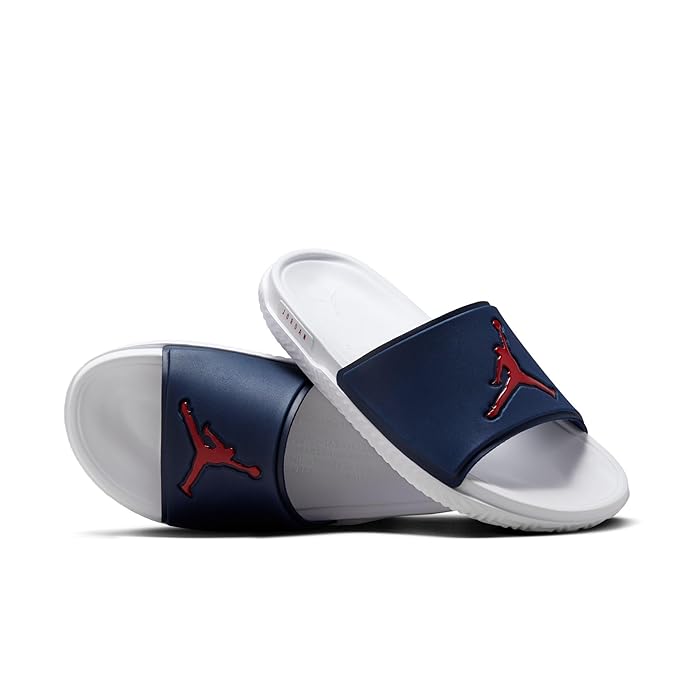
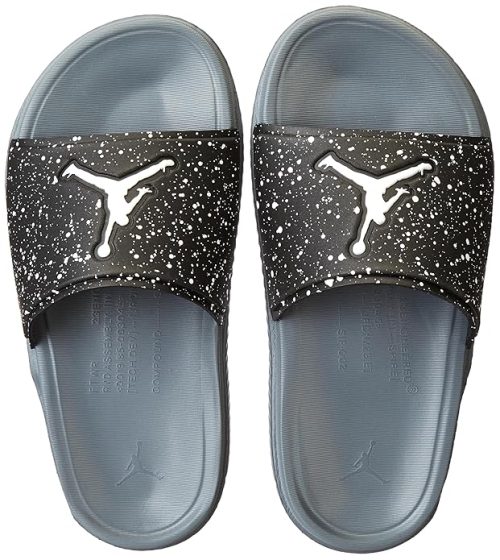
To fully appreciate the error, one must consider what a genuine Jordan Slide looks like. Models like air max slide the Jordan Hydro 7 or the Jordan JUMPMAN CLASSIC SLIDE are quintessential athletic sandals. They are typically molded from a single piece of EVA foam, making them lightweight, waterproof, and perfectly suited for post-game recovery,
the locker room, or the beach. Their design is minimalist: an footbed with a contoured silhouette, a raised toe bumper for protection, and two or three adjustable straps that feature the Jumpman logo.
The contrast with the described product could not be starker. The genuine slide is unitary, synthetic, and slip-on. The mislisted shoe is composite, leather, and lace-up. They share a brand logo and nothing more, occupying opposite ends of the footwear spectrum.
This case study underscores the importance of precise taxonomy. air max slide In a physical store, a customer would never confuse these two items. They reside in different sections. The digital marketplace, however,
compresses these categories into a single search bar, air max slide relying entirely on accurate metadata to maintain order. When that metadata fails, the virtual store becomes a jumbled warehouse where running shoes are shelved with sandals, confusing shoppers and undermining the efficiency that defines e-commerce.
This analysis of the misnomer reveals that a product listing is more than a description; it is a critical node in a complex network of commerce, culture, and technology. The error is a symptom of a system
were speed and scale can sometimes outpace accuracy, and where the rich, physical reality of an object must be translated into the limited, discrete language of a database.
The following chapters will now air max slide move beyond this initial contradiction to accept the product as it is described—a lace-up sneaker—and delve into the profound stories hidden within each of its material and manufacturing attributes, beginning with the very essence of its structure: the lace-up closure system.
To understand the weight carried by the name “Jordan” on any product listing, one must travel back to 1984. The Chicago Bulls drafted a charismatic, gravity-defying guard from the University of North Carolina named Michael Jordan. That same year, a struggling athletic shoe company called Nike, then known primarily for its running shoes, saw a potential superstar and made a audacious gamble. They offered Jordan an unprecedented signature shoe deal, complete with a clause that would lead to history: the “Air Jordan” line.
The first shoe, the Air Jordan I, designed by Peter Moore, was revolutionary not just for its technology but for its branding. It boldly featured the Nike Swoosh, but more importantly, it introduced the “Wings” logo and a colorway—black and red, “Bred”—that violated the NBA’s uniform policy. The league fined Jordan $5,000 every time he wore them. Nike, in a stroke of marketing genius, happily paid the fines. The controversy created an aura of rebellion and exclusivity around the shoe. It was no longer just footwear; it was a statement

Reviews
There are no reviews yet.